City: Medellin, Colombia
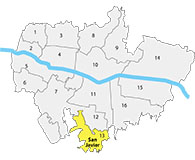
Thematic Cluster: A case study of barrio San Javier; Comuna13, Medellín, Colombia
Topic:
Collaborators:
Sponsors:
Invisible BorderlandThematic Cluster: A case study of barrio San Javier; Comuna13, Medellín, Colombia
Topic:
Collaborators:
Sponsors:
What are the ways and to which extend do these imagined barriers affect the image of the city and the interconnectivity between its citizens? Which are the tools one can use to record these phenomena and how by using urban planning approach this situation can be improved in order to make it a positive experience?
In the last 20 years Medellín - the Colombian city of eternal spring has been a successful radical project of transformation and social inclusion. In spite of all the effort that is being put into regenerating the city and the informal settlements there are a lot of challenges that endure and still can be addressed nowadays. Informal settlements are ecosystems of a great complexity, in which diverse social structures and relationships coexist with chronic lack of services and heavy social control imposed by violence and crime.
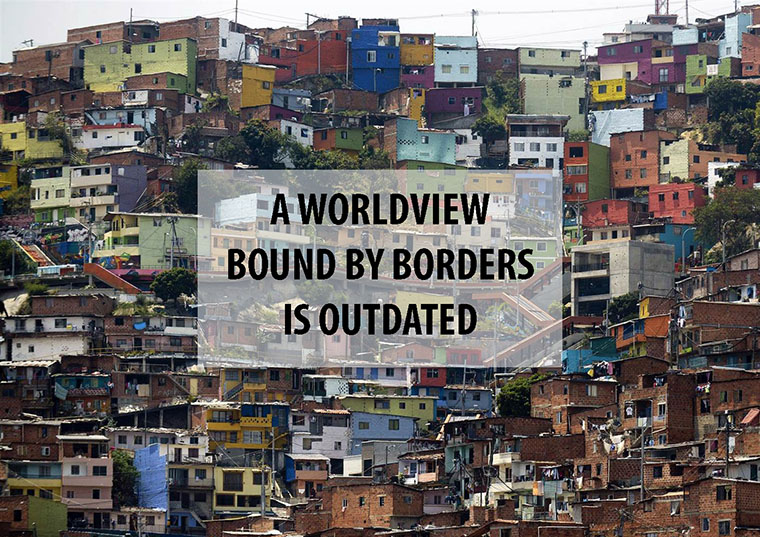
Being captured in the middle of this clash of interests, barrio inhabitants represent a target for the state and in the same time are over - exposed to the routes of interaction established by the institutional and business - like character of narco – traffic. These situation creates disconnection between the communities inside the city`s neighborhoods. These barriers are carved up because of an interest of particular individuals (or groups) and in a way push people to follow a particular model of everyday life without of any regard to its quality. Instead of shaping the economic and social unity of a neighborhood, providing community and protection, they are constraining them.
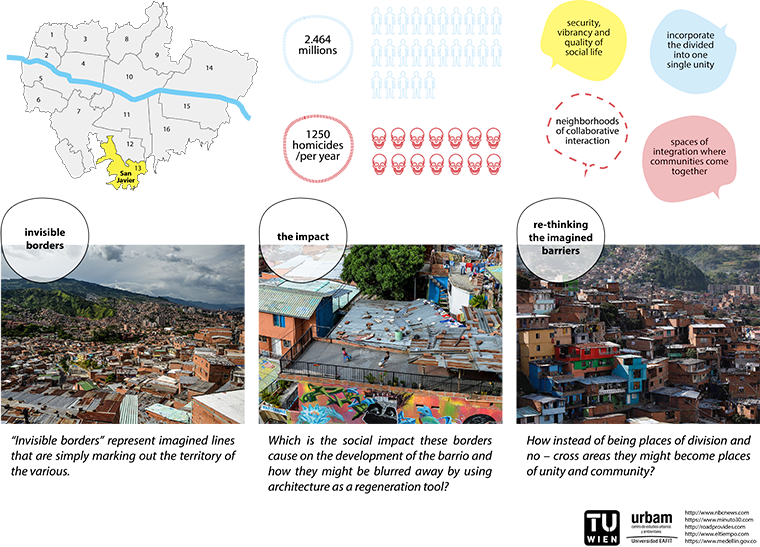
Having these statements in mind, I will be investigating the establishment of the invisible borders in the barrios itself, their prime movers and initiators on the one side and the people being affected by them on the other side, through a case study of San Javier barrio, in Comuna13 in Medellín. The final goal would be a purposed urban strategy that would be able to transform these spaces from sites of segregation and warfare into spaces of integration where communities would come together.